Joint & Nerve Support/Ingredients
NeuroSalt Ingredients: Passionflower, Marshmallow, Corydalis, Prickly Pear and California Poppy
NeuroSalt ingredients explained: five botanicals with every amount printed, what each plant is traditionally known for and what else is in the capsule.
- From $49 per bottle
- 60-day refund
- Joint & Nerve Support
By Supplement Health Expert Editorial Team · · 9 min read
- Refund window
- 60 days from the date of purchase
- Lowest per bottle
- $49 largest bundle
- Category
- Joint & Nerve Support
- Our score
- 9.0/10 editorial
Key takeaways
- 01 A serving is two capsules, and the label prints five active amounts: passionflower 145 mg, marshmallow root 110 mg, corydalis 100 mg, prickly pear 50 mg and California poppy 45 mg.
- 02 There is no proprietary blend, so each botanical has its own number.
- 03 Other ingredients are microcrystalline cellulose, hydroxypropyl methylcellulose (the capsule) and magnesium stearate.
- 04 Passionflower, California poppy and corydalis are the three calming herbs, and our safety page explains how to use them sensibly.
Flip a NeuroSalt bottle over and the panel reads in seconds: a short row of plants, a number beside each one and a brief tail of capsule helpers. This page unpacks every line. The plant roles below describe how these herbs are generally known, plus what the seller says about its formula. They are not results we tested, and each figure comes straight from the Supplement Facts panel.
The formula at a glance
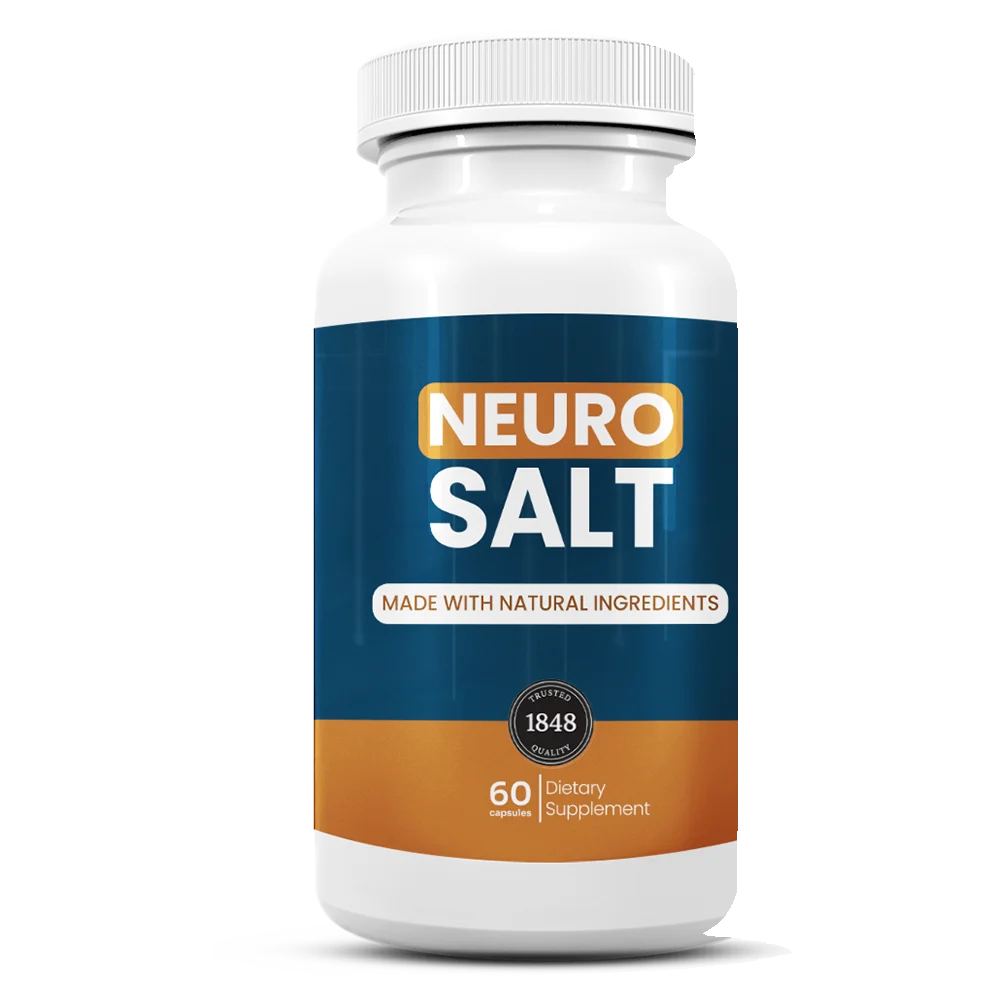
One serving equals two capsules, and every bottle holds 30 servings.
| Ingredient | Amount per serving | General role |
|---|---|---|
| Passionflower (Passiflora incarnata) | 145 mg | Climbing-vine herb with a calming reputation |
| Marshmallow (Althaea officinalis) root | 110 mg | Soothing root herb |
| Corydalis (Corydalis yanhusuo) powder | 100 mg | Root from Chinese herbal tradition |
| Prickly pear (Opuntia phaeacantha) 20:1 extract | 50 mg | Concentrated cactus extract |
| California poppy (Eschscholzia californica) seed | 45 mg | Seed of a poppy known as a calming herb |
Add up the five figures and a serving carries 450 mg of botanicals, which averages 225 mg in each capsule. Because nothing is bundled into a blend total, there is nothing for us to guess at.
Why the order on the label is useful
Supplement labels commonly rank ingredients from the biggest amount to the smallest, and NeuroSalt follows that pattern: 145, 110, 100, 50, 45. Read top to bottom, it tells you where the weight of the formula sits. Passionflower is the heaviest. The two plants at the bottom are closer in size than the top three are, which tells you the formula is built around three main players with two supporting ones.
Passionflower
Leading the panel at 145 mg, passionflower is a climbing vine that people have used for generations as a calming herb. Its top spot on the label matches the seller’s central idea, a relaxed nervous system. Our safety page covers how to use the calming herbs sensibly.
Marshmallow root
Forget the campfire sweet. Althaea officinalis is a plant, and its root has a long record in traditional herbal use as a soothing ingredient. NeuroSalt includes 110 mg in each serving. The seller describes its formula as both soothing and calming, and marshmallow root covers the soothing side of that description.
Corydalis
Corydalis yanhusuo is the botanical name, and the form used is a root powder measured at 100 mg. It comes out of traditional Chinese herbal practice. It may be the least familiar name on the list, and the label still gives it a clean, measurable amount just like the others.
Prickly pear
NeuroSalt uses prickly pear as a 20:1 extract at 50 mg. That ratio means about twenty parts of raw plant were used to make one part of extract. A small number on the panel therefore stands for a good deal more starting material. Think of it as a supporting botanical rather than a headline one.
California poppy
The seed of the California poppy closes the list at 45 mg, the smallest amount of the five. A traditional calming herb, it teams up with passionflower and corydalis, and those three are the ones the seller leans on when it talks about a relaxed nervous system.
Reading the Latin names
Each botanical on the label carries its scientific name in brackets. They are worth a glance, because common names can point to more than one plant. With Passiflora incarnata, Althaea officinalis, Corydalis yanhusuo, Opuntia phaeacantha and Eschscholzia californica printed in full, you can look up exactly which species is in the capsule, and your pharmacist can do the same.
What else is in the capsule
Three supporting items complete the label: microcrystalline cellulose, hydroxypropyl methylcellulose and magnesium stearate. The second of these makes up the capsule shell. The other two are routine manufacturing helpers found in many supplements. If you have a food sensitivity, read the panel again when the bottle arrives and show it to your pharmacist.
Why a complete label matters
Some supplements print one number for a whole group of plants, so you cannot tell how much of any single one you get. NeuroSalt does the opposite, which makes comparison straightforward. Set the numbers beside another product, count how many ingredients have their own amount and weigh the price per day. For NeuroSalt that last figure runs from $2.63 a day on two bottles to $1.63 on six.
How the capsules are taken
The directions say two capsules daily with an 8 oz glass of water. A bottle holds 60 capsules, which is 30 days, so the three packages stretch to 60, 90 and 180 days. The seller lists the USA as the place of manufacture, in a facility registered with the FDA, using ingredients it calls naturally derived. We pass that along as the seller’s own description.
Anyone on prescribed medicine should carry on with it. Pregnant, nursing and under-18 shoppers, and anyone with a medical condition, should hand the label to a doctor before starting.
Putting the amounts in perspective
Milligram figures can look tiny or huge depending on what you compare them to. Here, the five amounts are all in the same range, from 45 mg to 145 mg, which means no single plant is dwarfed by another. That balance is part of why the formula reads as one coherent mix and not as a headline ingredient with token extras.
Questions to take to your pharmacist
A label is a good conversation starter. If you would like a second opinion, try these:
- Do any of the five botanicals matter for the medicines I take?
- How should I think about herbs that are traditionally used as calming ones?
- Is there anything in the other ingredients I should avoid?
To see how this formula turns into a monthly cost, our price page sets out the packages and the daily numbers.
Official bundle pricing
As listed on the official order page · checked Nov 2, 2026
2 bottles60-day supply
$79per bottle
Total $158
- Plus $9.99 US shipping
- 60-day money-back guarantee
Most popular
3 bottles90-day supply
$69per bottle
Total $207
- Free US shipping
- 5 free bonus guides
- 60-day money-back guarantee
Best value
6 bottles180-day supply
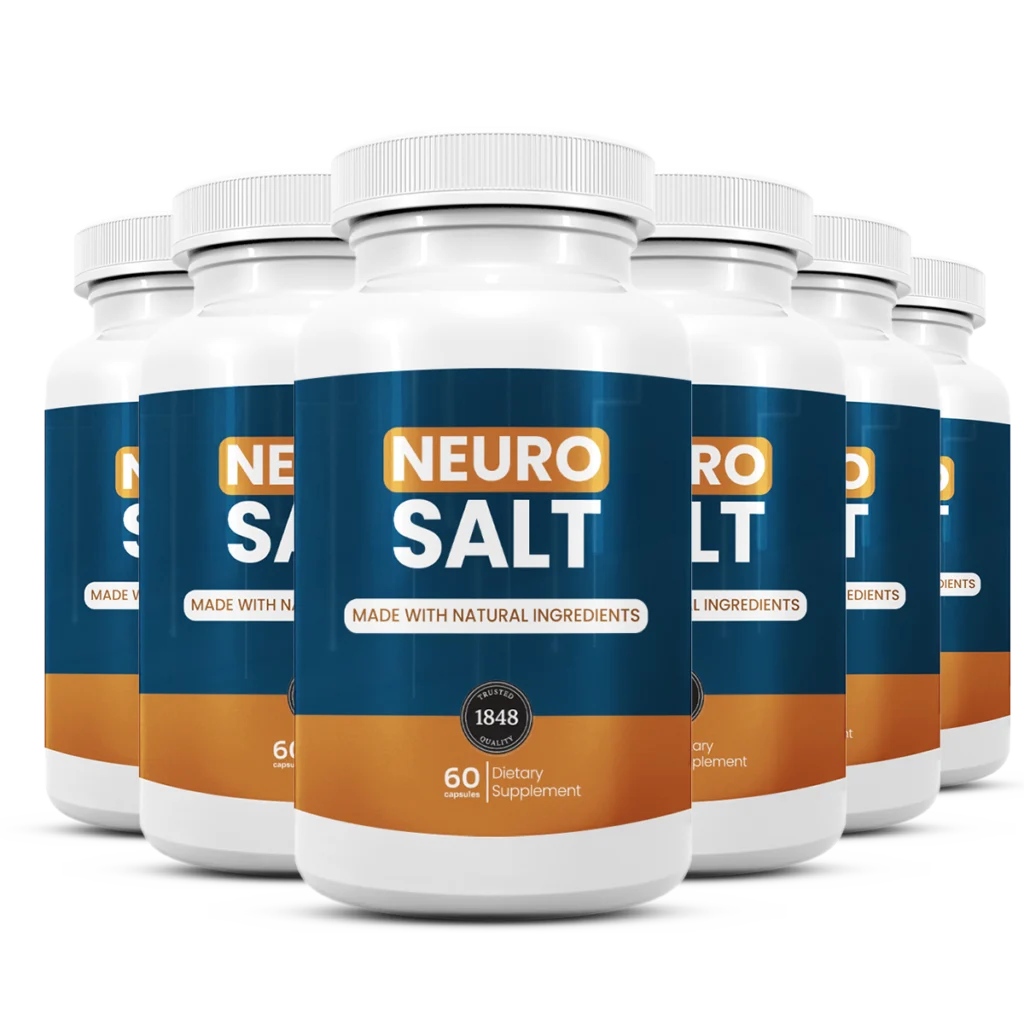
$49per bottle
Total $294
- Free US shipping
- 5 free bonus guides
- 60-day money-back guarantee
Refunds: 60 days from the date of purchase.
Frequently asked questions
What are the ingredients in NeuroSalt?
Two capsules hold passionflower 145 mg, marshmallow root 110 mg, corydalis powder 100 mg, prickly pear 20:1 extract 50 mg and California poppy seed 45 mg.
Does NeuroSalt list a dose for every ingredient?
Yes. All five botanicals have their own printed amount, so nothing hides inside a blend total.
What does 20:1 extract mean?
It is an extract ratio. The prickly pear is concentrated at 20 parts of plant to 1 part of extract, which is why 50 mg can stand for a larger amount of raw plant.
What else is in the capsule?
Microcrystalline cellulose, hydroxypropyl methylcellulose (the capsule shell) and magnesium stearate.
Should I check the label with a doctor?
Yes if you take medicine, are pregnant, nursing, under 18 or have a medical condition. Bring the label with you.
neurosalt ingredients · neurosalt ingredient list · neurosalt formula · neurosalt label · passionflower marshmallow root corydalis prickly pear california poppy