Ingredients / Guide
ColestZen Ingredients: 18 Named Ones, Listed Plainly
ColestZen ingredients in two plain tables: nine botanicals and nine micronutrients, with no amounts published, our notes and the two-capsule directions.
- Author
- Supplement Health Expert Editorial Team
- Updated
- Reading time
- 8 min
- Sources
- 0 cited
Key takeaways
- 01 The seller names eighteen ingredients: nine botanicals and nine micronutrients.
- 02 No dose for any ingredient is published, and the full label is printed on the bottle.
- 03 Our notes are labelled as ours and are not the seller's claims.
- 04 Two capsules every day with a big glass of water, from 60-capsule bottles.
- 05 Show the bottle to your doctor first, and keep taking any prescribed medicine.
ColestZen ingredients come in two groups, nine botanicals and nine micronutrients, eighteen names in all. The seller prints each name on its order page, which makes the list easy to read. What the seller does not print is the amount of each one. This guide sets out both groups in plain tables, explains what the list leaves out and adds a few notes of our own, clearly marked, so you can decide whether the formula suits you.
The Eighteen Names in Two Groups
The seller divides the formula into botanicals, which are plant-derived, and micronutrients, which include vitamins, minerals and a few other compounds. Each group is named item by item on the seller’s pages. Keep the two groups separate in your head, because they behave differently when you read a label and when you compare notes with a doctor.
The Nine Botanicals
| Ingredient | Plant part or form, as the seller lists it |
|---|---|
| Bitter Melon Extract | Fruit, extract |
| Cinnamon | Bark |
| Licorice Extract | Root, extract |
| Gymnema sylvestre Powder | Leaf, powder |
| Banaba Extract | Leaf, extract |
| Mulberry Fruit Powder | Fruit, powder |
| Yarrow Herb Powder | Whole herb, powder |
| Cayenne Pepper Extract | Extract (part not named) |
| Juniper Berry Powder | Berry, powder |
Each botanical appears with its form. Several entries are extracts and several are powders, and the table keeps those forms visible so you can read the label with the same precision.
The Nine Micronutrients
| Ingredient | Type |
|---|---|
| L-Taurine | Amino-acid-type compound |
| Alpha Lipoic Acid | Antioxidant compound |
| Vitamin C | Vitamin |
| Vitamin E | Vitamin |
| Biotin | B vitamin |
| Magnesium | Mineral |
| Zinc | Mineral |
| Manganese | Trace mineral |
| Chromium | Trace mineral |
The type column is a plain description of each entry, added by us for readability. It does not describe a use for the product.
What the List Leaves Out
The list has names but no amounts. The seller does not publish a dose for any of the eighteen ingredients, and the order page includes no supplement facts panel. The bottle’s own label carries the figures, which the pages we went through do not show. That is a plain fact about the offer, and it affects how you compare the formula with any other product.
Because the amounts are missing, the list cannot tell you how much of any single ingredient a capsule holds. It also cannot tell you how the botanicals compare with the micronutrients by weight. If the figures matter to your decision, read the bottle label, and send any remaining question to support in writing before you order.
Our Notes on the Botanicals
Our note: several of these plants are ones people already know from spice racks and herbal shelves, cinnamon and cayenne among them. That familiarity is one reason the list feels approachable, though a familiar name is not a guarantee of a predictable effect in the body.
Our note: the botanical group contains more than one extract and more than one powder. Extracts and powders are not interchangeable, and the form you see on the label is the one that counts for your routine.
Our note: the seller’s list does not name a part for the cayenne entry, so we have not guessed one. Any question about that line belongs with support.
Our Notes on the Micronutrients
Our note: most of the micronutrients are names you will recognise from ordinary supplement labels, such as vitamin C, zinc and magnesium. Seeing them on the list tells you what the seller names, not how much of each the capsule contains.
Our note: chromium and alpha lipoic acid appear in the same group as several botanicals, and both are among the names that deserve a question for your doctor. We return to that point in the safety section below.
How the Capsules Are Taken
The seller’s directions are simple. The directions call for two capsules daily, taken with a large glass of water. A bottle carries 60 capsules, which means roughly a month of supply at that pace. The seller suggests a use period of three to six months, which is why the larger packages are built around longer supplies.
A steady routine helps you follow the directions without thinking about them. Keep the bottle where you will see it, and pick a moment in your day that you already repeat.
The Seller’s Badges
The seller’s badges describe the product as a Natural Formula, Non-GMO and free of stimulants, which the seller presents as No Stimulants. These are the seller’s own labels. We pass them along as the seller’s statements, not as checks we carried out ourselves.
How to Read a Two-Table Formula
Two tables are easier to scan than one long paragraph, and they make the split between the groups obvious. The botanicals table lists nine plant-based names with their listed form. The micronutrients table lists nine names with a plain type label. Read each table from top to bottom, then compare the two. Notice how many entries are extracts and how many are powders, since that difference matters when you read a bottle label.
A simple habit helps here. Copy the eighteen names into a note on your phone, and keep the note open when you read the bottle. Ticking off each name as you find it on the label takes a few minutes and confirms that the bottle matches the list.
Why the Missing Amounts Matter to Some Readers
Some readers are comfortable with a list of names alone, while others want a figure beside every line. The seller has chosen to publish names without amounts, and that choice shapes what you can learn from the order page. You can see what goes into the capsule, but you cannot see how much of each item it contains.
If amounts matter to your decision, the bottle is the next place to look. Figures exist on the bottle label itself, even though the seller’s pages leave them out. Read the label before you start, and if the figures are unclear, put that question to support in writing.
What the Groups Are Not
The two groups are a way of organising the list, not a ranking. Being listed among the botanicals does not make an entry stronger than a micronutrient, and being a vitamin does not make it the centre of the formula. Read the groups as labels that help you find names, and nothing more.
A name on a list is also not the same as a dose. Two products can share an ingredient name and still differ in amounts, sources and forms. For that reason, the bottle label outranks any comparison chart.
Checking the Bottle Against This List
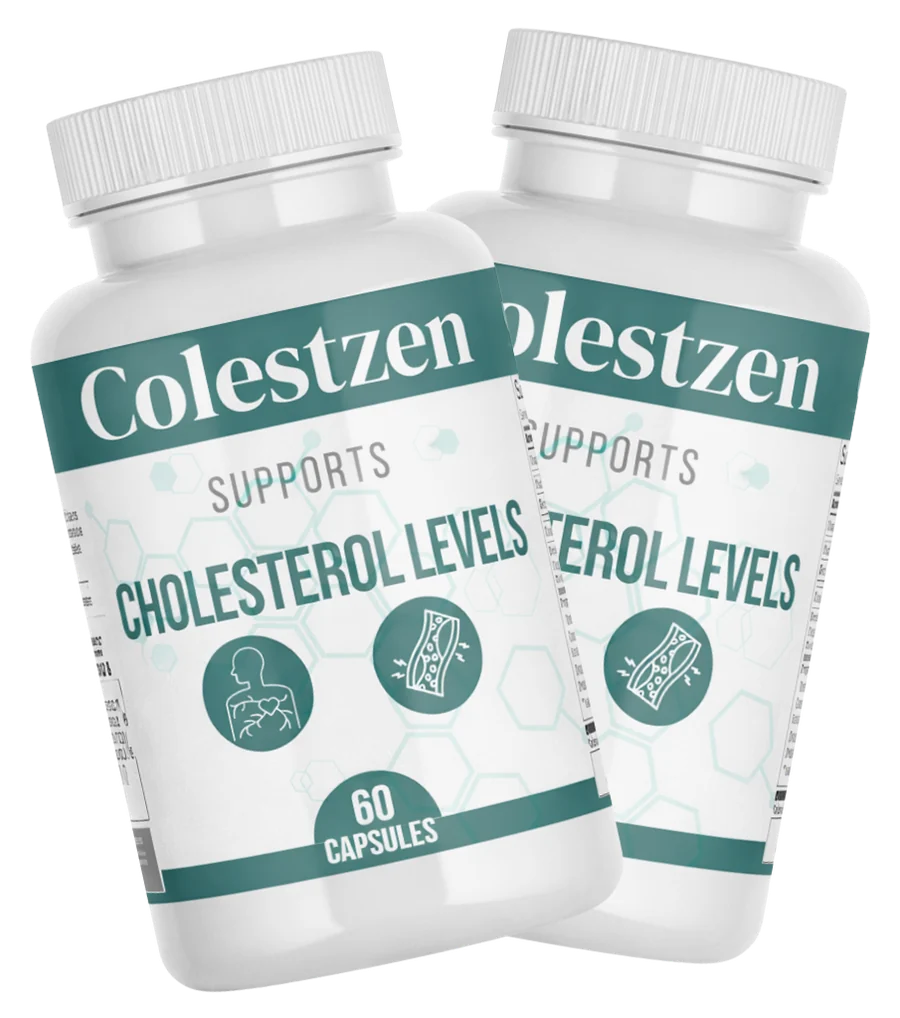
On arrival, go through the label line by line. The name on the front should read Colestzen, the count should read 60 capsules and the full label should show the ingredients the seller names. Compare each name with the tables above, and note any name that is missing or any name on the bottle that does not appear on this page. A mismatch is worth a question to support, and a match gives you a clear starting point for the conversation with your doctor.
Our Overall Read on the List
Our note: the list is short to read and carefully named, which some readers find helpful. Our note: it also leaves out the one number that would let you compare the formula with another capsule directly. Both points are worth keeping in mind as you decide. The daily ritual stays easy: two capsules and one generous glass of water. Taken together, the names, the missing amounts and the simple routine give you a clear picture of what the seller offers, along with a clear list of questions for your doctor.
Questions to Bring to Your Doctor
A short list keeps the appointment focused. Bring the bottle or a photo of its label, the list of names above and every medicine you take, including doses and timing. Then ask:
- Do any of these eighteen names overlap with a medicine I already take?
- Does my history include diabetes, blood pressure concerns or a stomach condition that might matter with these ingredients?
- Is the two-capsule daily routine a reasonable plan for me?
- How often should we review the routine, and what changes should I report?
Safety Notes on These Names
A physician should look at the bottle before you begin, which is the step the seller’s FAQ recommends. Questions on cholesterol, heart health and blood pressure are for your doctor to handle, and any prescribed medicine stays in place unless that doctor changes it. A statin or other prescription is never something to stop or adjust because of a supplement, and ColestZen is not a stand-in for one. Several names in this formula, including bitter melon, gymnema, banaba, cinnamon, alpha lipoic acid and chromium, may affect blood sugar and may overlap with diabetes drugs. Licorice may push blood pressure upward and can clash with some drugs. Cayenne and juniper sometimes unsettle the stomach. Pregnant or nursing readers should ask first. Abrupt chest discomfort or breathlessness calls for emergency care.
Prices are unpacked in the ColestZen price guide. Product facts sit together in the ColestZen buyer guide, while the ColestZen side effects guide handles the pre-start questions.
Frequently asked questions
What ingredients are in ColestZen?
The seller lists nine botanicals, including bitter melon extract, cinnamon, licorice extract, gymnema sylvestre, banaba, mulberry, yarrow, cayenne and juniper berry. The other nine are L-taurine, alpha lipoic acid, vitamin C, vitamin E, biotin, magnesium, zinc, manganese and chromium.
How much of each ingredient is in ColestZen?
The seller does not publish an amount for any of the eighteen names, and the order page carries no supplement facts panel. The full label is printed on the bottle, so that is the place to check the figures.
Are the botanicals and micronutrients in the same amounts?
We cannot tell you. No amounts are published on the pages we reviewed, so there is no basis for comparing one ingredient with another.
Which ingredients deserve a question for my doctor?
Bitter melon, gymnema, banaba, cinnamon, alpha lipoic acid and chromium may affect blood sugar and may interact with diabetes medicines. Licorice may push blood pressure upward and can clash with certain drugs.
How should I take ColestZen?
The seller says to take two capsules every day with a big glass of water. A 60-capsule bottle covers about 30 days at that pace.
Where do I send a question about the ingredient list?
Write to [email protected]. The seller's contact page promises a reply in less than 24 hours, Monday through Friday from 9:00 AM to 6:00 PM Eastern.
colestzen ingredients · colestzen ingredient list · colestzen botanicals · colestzen micronutrients · what is in colestzen · colestzen formula · colestzen bitter melon