Ingredients / Guide
Livarix Ingredients: Eight Named Amounts Explained
Livarix ingredients with the amounts the seller lists: turmeric, beet root, dandelion, artichoke, ginger, milk thistle, alfalfa and L-cysteine, plus our notes.
- Author
- Supplement Health Expert Editorial Team
- Updated
- Reading time
- 7 min
- Sources
- 0 cited
Key takeaways
- 01 Eight named ingredients, each with an amount the seller's page lists, from 300 mg of turmeric root down to 10 mg of L-cysteine.
- 02 No Supplement Facts image is published, so the amounts are the seller's listed figures.
- 03 Turmeric, ginger, artichoke and milk thistle can interact with some medicines, including blood thinners and diabetes medicines.
- 04 Two capsules a day, with a big glass of water, preferably in the morning with food.
- 05 Ask your doctor first, and keep taking any prescribed medicine.
Livarix ingredients are easier to read than most daily capsules, because the seller prints an amount beside every one of the eight names. The list runs from turmeric root at 300 mg down to L-cysteine at 10 mg. It is built into a two-capsule routine, and the rest of this guide walks through each line so you can decide whether the formula fits you.
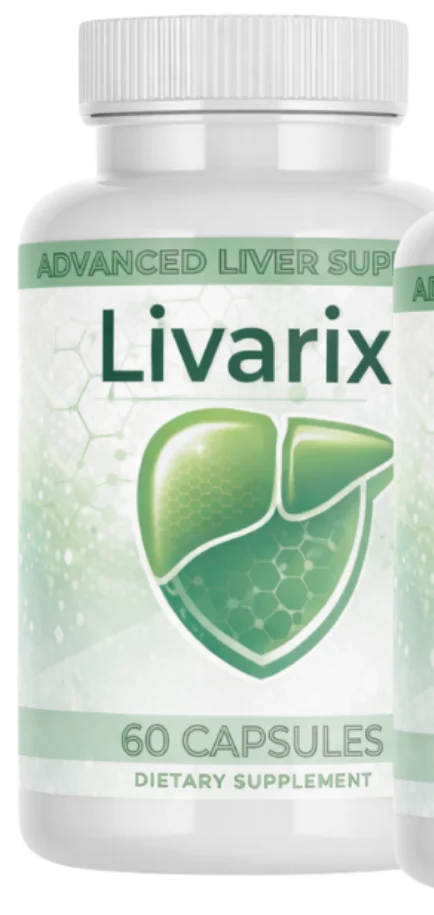
The Eight Ingredients at a Glance
| Ingredient | Amount listed by the seller |
|---|---|
| Turmeric powder (root) | 300 mg |
| Beet root powder | 200 mg |
| Dandelion powder (leaf) | 100 mg |
| Artichoke extract | 50 mg, standardized to 5% cynarin |
| Ginger powder (root) | 50 mg |
| Milk thistle powder | 50 mg |
| Alfalfa powder (leaf) | 20 mg |
| L-cysteine HCl | 10 mg |
These are the amounts the seller’s page prints. No Supplement Facts image is published, so we cannot show you a lab panel, and we report the figures as the seller’s listed numbers. If a full panel matters to your decision, send that question to [email protected] before you order.
Turmeric, Beet Root and Dandelion
Turmeric carries the largest listed amount, at 300 mg, so it anchors the formula. It is probably the name most readers already know from the spice rack. In our notes, turmeric is also one of the names that turns up in medicine-interaction discussions, which is why the safety section later in this guide matters.
Beet root powder follows at 200 mg. Dandelion leaf comes in at 100 mg. Dandelion belongs to the daisy family, and that matters for anyone with a daisy or ragweed allergy, a point we return to below. Taken together, these three give the first half of the list its plant character, and they are the names that most readers will look for first.
Artichoke, Ginger and Milk Thistle
Artichoke extract is listed at 50 mg and is described on the seller’s page as standardized to 5% cynarin. Standardizing an extract means it is measured against one marker compound, so the figure is more specific than a plain powder weight. Ginger root powder sits at the same 50 mg, and milk thistle powder matches it at 50 mg.
Artichoke and milk thistle share a botanical family with the daisy, so the allergy caution covers them too. They also appear on the list of ingredients that can interact with some medicines, which makes them a clear reason to talk with your doctor before the first capsule.
Alfalfa and L-Cysteine
Alfalfa leaf is listed at 20 mg, the smallest plant amount on the list apart from the amino acid. L-cysteine HCl closes the list at 10 mg. Cysteine is an amino acid, so the last line adds something other than a plant powder to the list. The two lines are short, but together they round out the eight names so the formula reads as a complete list rather than a handful of herbs.
Why Named Ingredients Help a Routine
Named ingredients make a daily habit easier to understand. When every line has a name and an amount, you can explain the formula to a friend, a pharmacist or a doctor without guesswork. You also know what to look for on the label and what to ask about if your situation changes.
That clarity matters most when a supplement sits alongside other products. A short, specific list gives you a clean reference point, and it keeps the conversation about the capsules concrete. Compare the eight names with the medicines and foods already in your kitchen and cabinet, and you will see at a glance where a question belongs on your list.
Named ingredients also make it easier to follow the story of the formula over time. If you later review the routine, you can point to the exact line you are asking about rather than describing a vague blend, and that makes the next conversation shorter and more precise.
How to Read an Ingredient List Without a Panel
A list with amounts is easier to work with than one that shows only a total. Read each line as a separate fact: the name, the form (root, leaf, powder or extract) and the amount in milligrams. The artichoke line adds one more fact, the cynarin standard, which tells you the extract is measured against a marker compound.
What the list does not show matters too. The material we read does not say whether each amount is per capsule or per two-capsule day, so do not assume either reading. There is also no Supplement Facts image to check. Read the figures as the seller’s listed numbers, and put any detail you need to the support team before you order.
The Seller’s Badges and Origin Line
The seller’s badges describe the formula as a Natural Formula, Non-GMO and free of stimulants, which the seller presents as No Stimulants. The seller also says the product is made in the USA. These are the seller’s own statements, and we pass them along as the seller’s words. They are a useful reminder of what the seller chooses to highlight, and you can read them on the order page.
Questions for Your Doctor
A short list of questions makes the first appointment more useful. Bring the bottle, the ingredient table above and the names of every medicine you take, then ask:
- Do any of the eight ingredients overlap with a medicine I already take?
- Does my history include gallstones, bile-duct problems or a daisy or ragweed allergy?
- Is the two-capsule morning routine with food a sensible plan for me?
- How often should we review the routine, and what changes would you want to hear about?
How the List Fits a Routine
The seller’s directions are two capsules daily, a big glass of water and, ideally, a morning meal. A 60-capsule bottle therefore lasts about 30 days at that pace. The seller suggests using Livarix for at least three to six months, which is why its six-bottle package carries a 180-day supply label on the seller’s grid. The Livarix buyer guide shows that routine next to the package grid.
Putting the capsules beside a meal you already eat keeps the habit simple. You do not need a measuring tool or a second supplement in the same routine to follow the directions.
Safety Notes for the Ingredient List
Per the seller’s FAQ, a doctor should see the bottle before you begin, most urgently if you are on prescriptions. Several plants on this list, including turmeric and milk thistle, might change how certain prescriptions act, especially anticoagulants and blood-sugar medicines. Gallstone or bile-duct history? Then artichoke and dandelion call for a physician’s approval first. A reader who reacts to the daisy or ragweed group should approach dandelion, artichoke and milk thistle with caution. Pregnant or nursing? Ask a doctor first.
If the list has answered your questions, the Livarix buyer guide brings the packages, the bonus books and the guarantee into one view. For the cost side, read the Livarix price breakdown, and for the directions in more detail, the Livarix how-to-take guide walks through the routine step by step.
Frequently asked questions
What ingredients are in Livarix?
Turmeric powder (root), beet root powder, dandelion powder (leaf), artichoke extract, ginger powder (root), milk thistle powder, alfalfa powder (leaf) and L-cysteine HCl.
How much of each ingredient is in Livarix?
The seller's page lists turmeric 300 mg, beet root 200 mg, dandelion 100 mg, artichoke extract 50 mg, ginger 50 mg, milk thistle 50 mg, alfalfa 20 mg and L-cysteine 10 mg.
Is there a Supplement Facts panel for Livarix?
No Supplement Facts image is published. The amounts above come from the seller's product page, so put any request for a full panel to [email protected] before you order.
Does Livarix contain a standardized extract?
Yes, the artichoke extract is listed as standardized to 5% cynarin on the seller's page.
Are the ingredients a reason to ask a doctor first?
They can be, for some people. Turmeric, ginger, artichoke and milk thistle can interact with some medicines, and artichoke and dandelion are usually avoided with gallstones or bile-duct problems unless a doctor agrees.
How should I take the capsules?
The seller's directions are two capsules daily, a big glass of water and, ideally, a morning meal. Each 60-capsule bottle lasts about 30 days at that pace.
livarix ingredients · livarix ingredient list · livarix turmeric · livarix milk thistle · livarix amounts · livarix formula · what is in livarix