Topical Pain Relief/Safety
Arctic Blast Safety: Who Should Check With a Doctor and How to Start
Arctic Blast safety: external use only, the flammable warning, an aspirin and blood-thinner check for wintergreen and St. John's wort, and when to see a doctor.
- From $39 per bottle
- 365-day refund
- Topical Pain Relief
By Supplement Health Expert Editorial Team · · 8 min read
- Refund window
- 365-day money-back guarantee from the purchase date; used, unused or empty bottles go back to the seller's returns centre, and support confirms the return steps
- Lowest per bottle
- $39 largest bundle
- Category
- Topical Pain Relief
- Our score
- 8.4/10 editorial
This is a topical liquid meant for adults, used on the skin and never taken by mouth. That simple fact covers much of the safety picture, though not all of it. It lays out the label’s warnings in one place, adds our own general advice where useful, and identifies who should check with a professional before the first application.
The seller’s own description
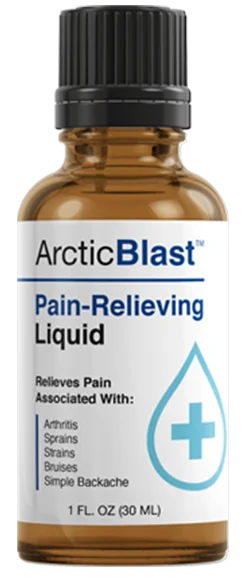
Per the seller, the formula backs the body’s natural pain relief response. The seller’s pages add that the FDA has not reviewed those statements. The bottle’s label is briefer: external use only, use as directed, followed by the warnings we cover below. We use the label as the reference point throughout this page.
Arctic Blast safety basics at a glance
| Point | Detail |
|---|---|
| Who it is for | Adults 18 and over, according to the directions |
| How to apply | To the affected area, enough to cover it |
| How often | Three to four applications a day at most |
| Route | Topical, for external use only |
| Eyes | Keep clear of the eyes |
| Wounds and damaged skin | Do not apply |
| Bandaging | Do not bandage the area tightly |
| Flammable | Stay clear of fire, flame and sparks |
| Children | Store beyond their reach |
| If swallowed | Consult a physician |
| Pregnancy and breastfeeding | Reach a physician before use |
Who should speak to a doctor first
A few groups should check with a professional before the first application. The label’s own warnings cover the first group, and our general advice adds the rest.
- Pregnant or breastfeeding. Per the label, reach a physician before use.
- Aspirin or salicylate allergy. Wintergreen oil (methyl salicylate) is on the label, so a doctor or pharmacist should weigh in first.
- On blood thinners. The St. John’s wort entry means you should ask before the first use.
- Taking other prescription medicine. Ask your pharmacist about any interaction, even with a topical product.
- Sensitive skin. Raise it with a pharmacist, and test a small spot before covering more ground.
- Under 18. The directions are written for adults 18 and over.
Keep prescribed medicine going
Our advice, in short: continue prescribed medicine and continue your doctor visits. A topical liquid cannot stand in for a prescription, and it is no reason to alter one. When you are unsure how the product sits with your medicines, a pharmacist can compare the Drug Facts panel with your list quickly.
Test a small patch first
Before a full application, dab a little on a small spot of skin. Give it a while and check how it looks. If the spot turns red, itchy, swollen or uncomfortable, rinse it off and check with a pharmacist before using the product again. This is our advice, and it applies whatever the seller’s pages say about the formula.
Keep it off the eyes, wounds and damaged skin
The eyes are off limits according to the label, so keep the liquid clear of them during use. Wash your hands once you finish. Skip wounds, cuts and broken skin. A tight bandage is not part of the directions, so the spot is left uncovered.
Skin contact and other products
On the label, DMSO is grouped with the other ingredients, and the seller calls it the carrier. Our own caution: DMSO can move other substances through skin. Start from clean skin, and hold off on other creams or products over the same spot unless a pharmacist says it is fine.
Flammable, so keep it away from heat
The bottle carries a flammable warning, and the alcohols on the ingredient list help explain why. Stay clear of open flames, sparks and hot surfaces. Screw the cap down hard after every use, and store the bottle at room temperature, beyond the reach of children.
When to see a doctor, not a bottle
Not every ache suits a liquid you rub on. See a doctor if pain arrives with swelling, redness, warmth or fever. Numbness, weakness and pain after an injury also need a doctor. Pain that interrupts your sleep at night is also a reason to book a visit. These are our general points, and they apply whatever product you use.
If a reaction appears
If the product gets in your eyes, or if you swallow any of it, follow the label, which says to consult a physician if swallowed. If the skin reacts after use, wash the area and speak to a pharmacist or doctor. Bring the bottle and its label along when you phone, so the ingredient list is at hand.
Storing the bottle safely
Store it at room temperature, capped and upright. Keep it beyond children’s reach and clear of fire and heat. Do not use a bottle that looks damaged, and keep the cap on between applications. A bottle with a cracked cap or a leaking seal should be set aside and reported to the seller’s support team.
What to bring to the appointment
Bring a photo of the Drug Facts panel, plus your medicine list. The panel supplies the two actives with their percentages, the inactive entries in printed order, and the warnings. A short list is enough for your doctor or pharmacist to check.
Short answers to common safety questions
Who is it for? The label addresses adults and external use only. It cannot replace advice from a doctor who knows your history.
Is it swallowed? No. It is for the skin only, and the label’s advice after an accidental swallow is to consult a physician.
Is it fine alongside my medicine? Keep taking the prescription as directed, and check with a pharmacist before you add the liquid.
What about DMSO? It sits with the inactive ingredients and carries no printed amount. Check with a pharmacist before pairing it with other products.
A notebook for the first weeks
Note the date you began, the area you covered and any reaction you saw. The notes help you and your doctor see what happened, and they make the guarantee easier to follow if you decide to return a bottle. Keep them with the order email, so the dates and details sit in one place.
A calm start
Three things keep the start simple: the label, a patch test and a doctor’s check if one of the groups above fits you. Read the Drug Facts panel once, test a small patch first, and keep applications within what the directions allow. If the first few days go smoothly, you can carry on within the label’s limits.
Your questions about the guarantee
If a bottle is not for you, the seller’s money-back guarantee covers 365 days from purchase. For the return sequence, reach out to support; the returns page lays it out, and your order ID should be within reach.
Next step
Begin with the label and the warnings above, talk to a doctor or pharmacist if one of the groups fits you, then pick a package on the order page.
Official bundle pricing
As listed on the official order page · checked Nov 17, 2026
1 bottleAbout 1 month
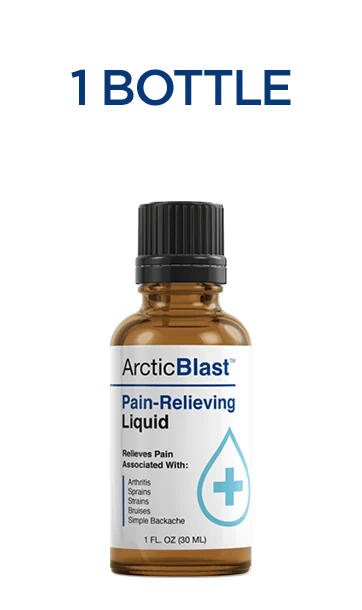
$69per bottle
Total $69
- Free shipping
- 365-day money-back guarantee
3 bottlesAbout 3 months
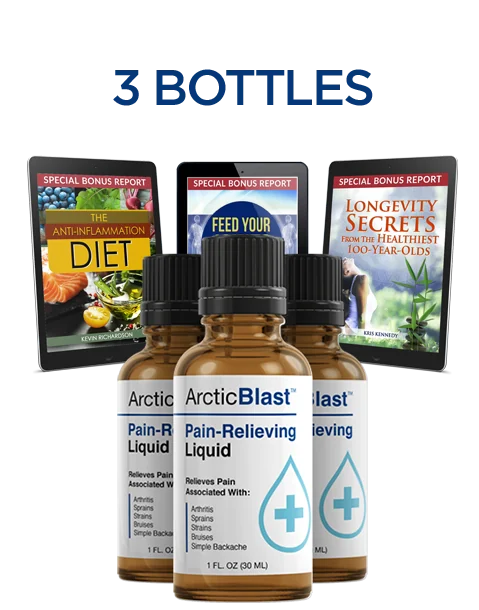
$49per bottle
Total $147
- Free shipping
- 3 free digital bonuses
- 365-day money-back guarantee
Best value
6 bottlesAbout 6 months
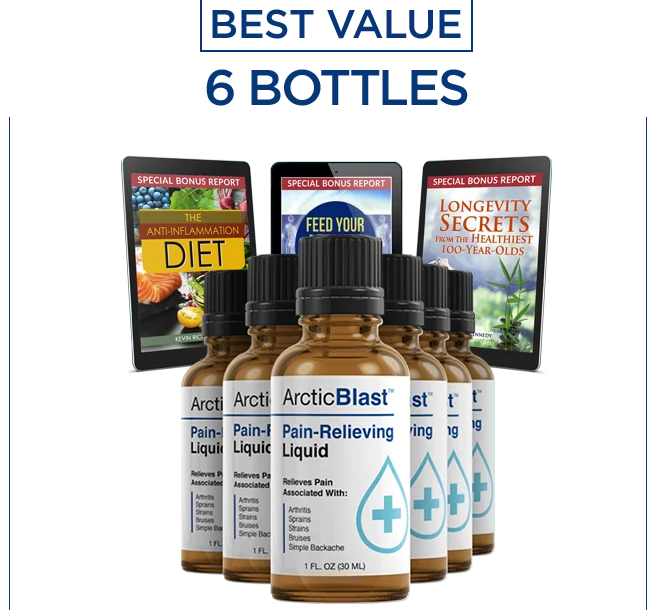
$39per bottle
Total $234
- Free shipping
- 3 free digital bonuses
- 365-day money-back guarantee
Refunds: 365-day money-back guarantee from the purchase date; used, unused or empty bottles go back to the seller's returns centre, and support confirms the return steps.
Frequently asked questions
Who should ask a doctor before using Arctic Blast?
Ask first if you are pregnant or breastfeeding, allergic to aspirin or salicylates, on blood thinners, have sensitive skin or take prescribed medicine. That is our general advice, and the seller also says to consult your physician.
Where should it not go?
Keep it away from the eyes, wounds and damaged skin, and do not bandage tightly over it, per the seller's precautions. It is for external use only.
Why does the label say flammable?
The liquid contains alcohols. Keep it away from fire, flame, sparks and heated surfaces, and close the cap firmly after use.
Should I test it first?
Yes. Try a small patch of clean skin before you use it on a larger area, and stop if a reaction appears.
When is a doctor the better choice?
Pain with swelling, redness, warmth, fever, numbness or weakness, pain after an injury, or pain that wakes you at night needs a doctor. That is our general advice.
arctic blast safety · arctic blast allergy · is arctic blast safe · arctic blast dmso · arctic blast warnings · arctic blast